ABOUT JANA CHAITANYA EXNORA SOCIETY

Turning Waste Into Possibility

A journey that began in 1999–2000 with a simple question: What if waste could create value instead of becoming a burden?
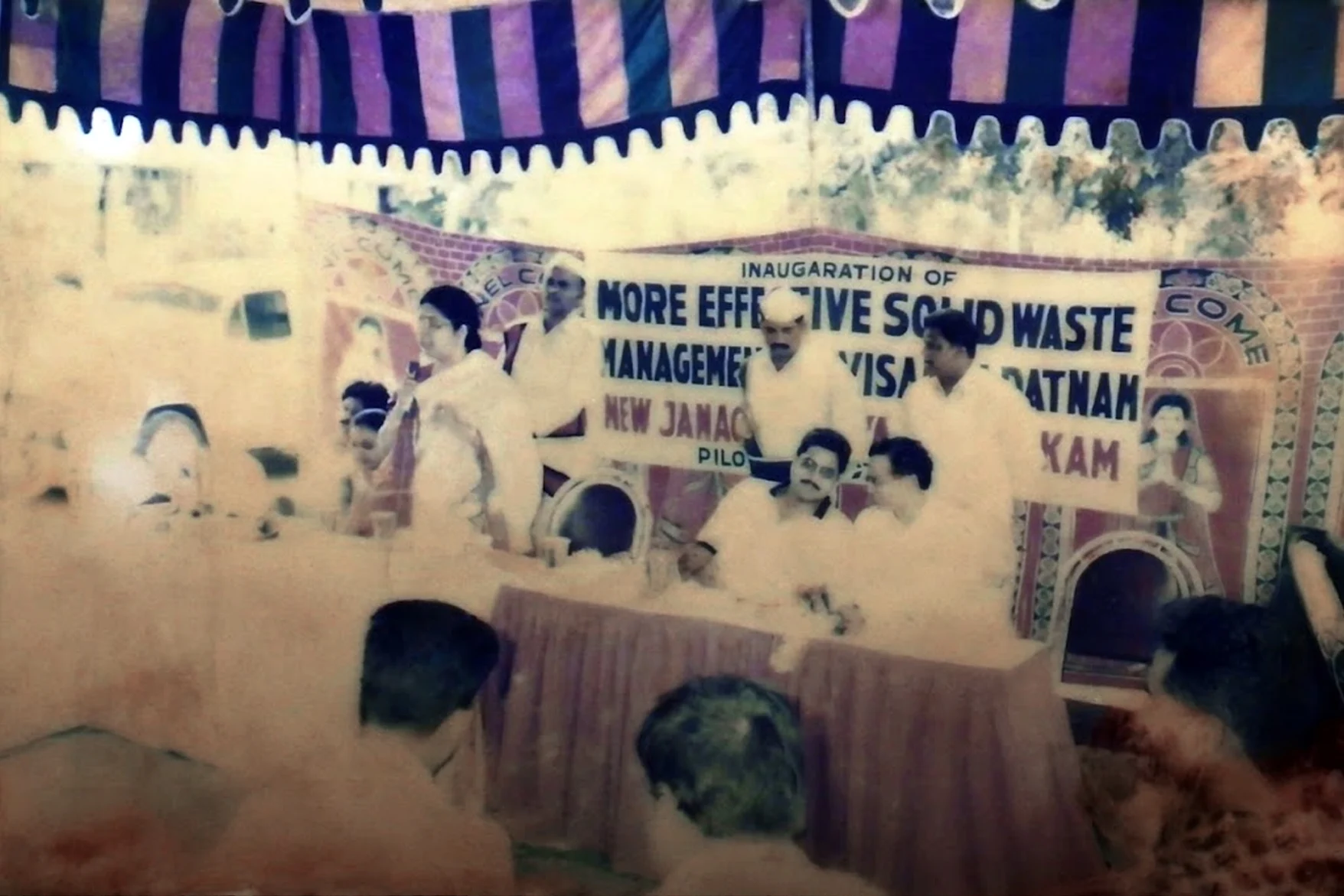
1999–2000 Our Beginning
3 First Rickshaws
Exnora Training & Guidance
Community waste management and environmental awareness
♻
Waste → Resource Our founding philosophy
WHO WE ARE

More Than Waste Management

Jana Chaitanya Exnora Society is built around the belief that responsible waste management can create value for people, agriculture and the environment.

Our approach brings together awareness, responsible waste handling, community participation and the idea that waste can become a resource rather than simply a burden.

♻
From Waste to Resource A philosophy that continues to guide our journey.
01
🌱
ENVIRONMENT

Protecting Our Surroundings

Promoting responsible waste practices that contribute to cleaner surroundings and environmental protection.

02
♻️
RESOURCES

Creating Value From Waste

From wet waste to organic fertilizers and from dry waste to income sources, we look at waste as a potential resource.

03
👥
COMMUNITY

People at the Centre

Creating awareness, encouraging participation and demonstrating that waste management can create meaningful employment opportunities.

Waste → Resource • Resource → Opportunity • Opportunity → Community Impact

OUR BEGINNING • 1999–2000

A Question That Started a Journey

The foundation of Jana Chaitanya Exnora Society emerged from a period of growing concern about waste, agriculture and the environment in Visakhapatnam.

01
1999–2000

The Beginning

During the period when Honourable Commissioner J. C. Sharma served as Commissioner of the Municipality, attention was focused on the growing waste generated in Visakhapatnam (Visakhanagaram).

02
THE CHALLENGE

Waste, Agriculture & Environment

The growing waste problem raised concerns about its impact on agriculture and the environment. This created a need to explore practical approaches to waste management.

03
EXPLORING POSSIBILITIES

Looking Beyond Conventional Waste Disposal

With the intention of creating opportunities from waste management, efforts were undertaken to study possible solutions and understand how waste could be approached differently.

04
LEARNING BEYOND BORDERS

Learning From the United Kingdom

To understand alternative approaches, efforts were made to study waste-management practices in the United Kingdom. The learning helped shape a different perspective towards waste and its potential.
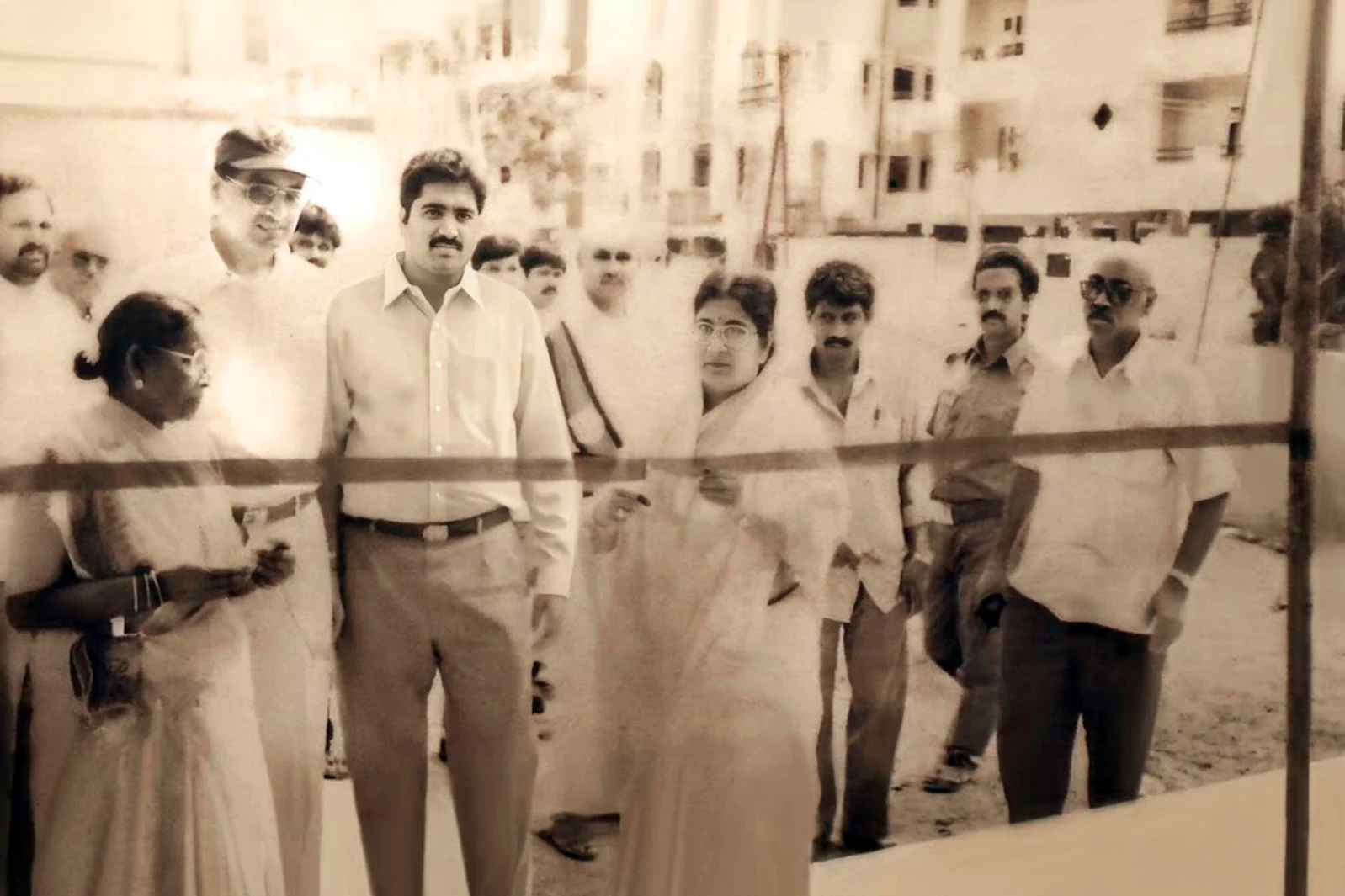
Historical waste management and environmental planning
THE JOURNEY BEGAN 1999 — 2000 —
THE QUESTION

“What if waste could create value instead of becoming a burden?”

THE IDEA THAT EMERGED
Wet Waste → Organic Fertilizers
Dry Waste → Income Sources
✦
THE FOUNDATION

What began as an effort to understand the waste challenge gradually developed into a philosophy of transforming waste into resources, opportunities and environmental value.

THE JOURNEY OF LEARNING

Learning Beyond Boundaries

The search for practical solutions took the journey beyond conventional approaches — exploring waste-management practices and learning from experiences beyond India.

01
LEARNING BEYOND BORDERS

Studying Approaches in the United Kingdom

With the intention of creating opportunities through waste management, efforts were undertaken to study possible solutions and learn from practices in the United Kingdom.

This learning helped develop a broader perspective on how waste could be approached as a resource rather than simply something to be discarded.

INTERNATIONAL LEARNING UK Exploring different approaches to waste management
02
TRAINING & GUIDANCE

Learning Through Exnora, Tamil Nadu

For further improvement and practical understanding, training was provided through Mr. Suresh Bhandari, an employee associated with the Exnora organization in Tamil Nadu.

The training provided valuable guidance in developing the skills and understanding needed to move towards practical waste-management implementation.

PRACTICAL TRAINING EXNORA Tamil Nadu
Training & Guidance
🌍
EXPLORE Learn from different approaches
→
📚
LEARN Build practical understanding
→
🛠
DEVELOP Strengthen skills through training
→
♻️
PREPARE Move towards practical implementation
✦
A JOURNEY OF LEARNING

The journey from exploring international approaches to receiving practical guidance created the foundation for the next stage — putting knowledge into action.

FROM WASTE TO VALUE

A Different Way of Looking at Waste

The approach was built around a simple but powerful idea: waste should not only be seen as something to be discarded. It can be transformed into useful resources and opportunities.
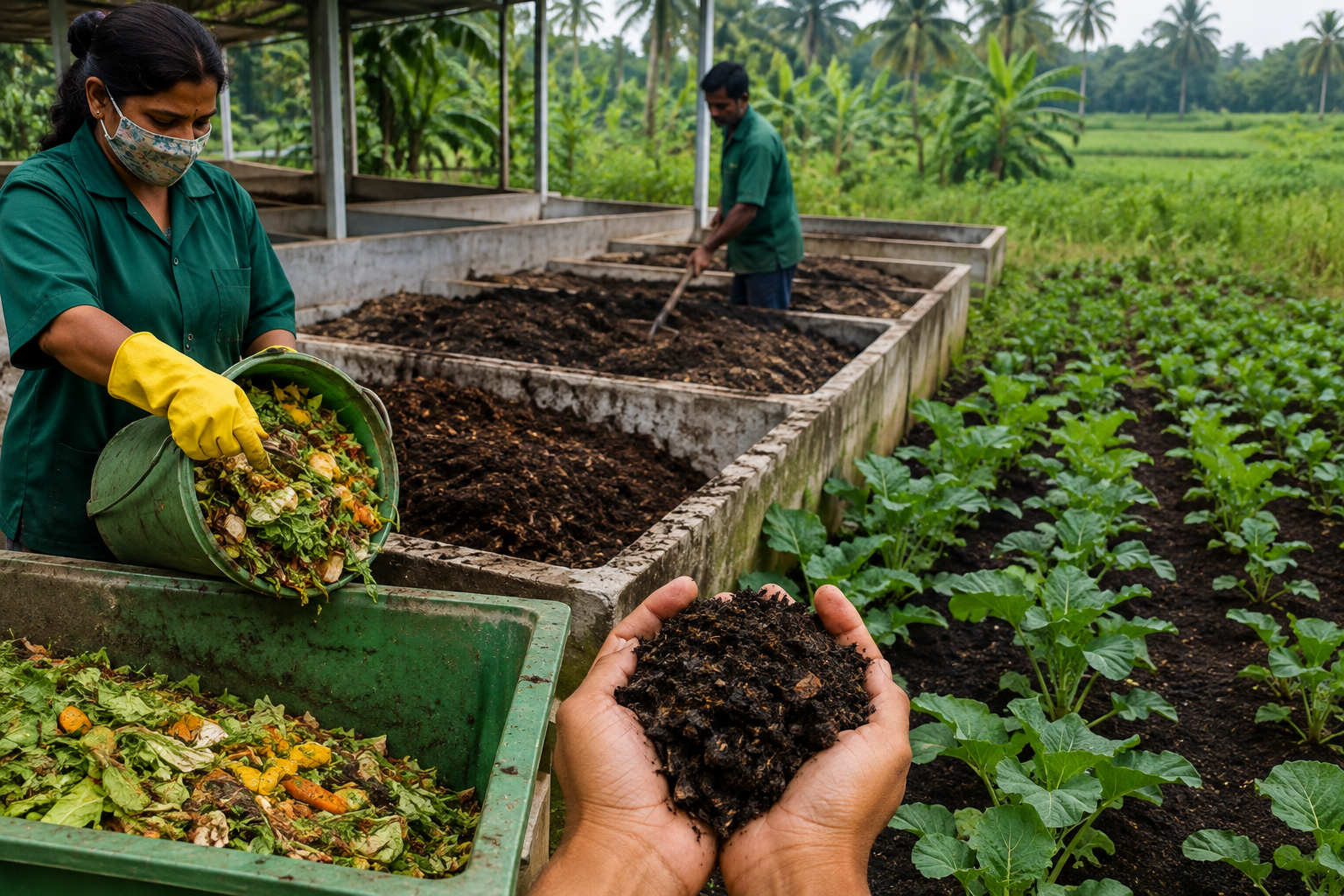
Organic wet waste supporting agriculture
WET WASTE
01
ORGANIC RESOURCE

From Wet Waste to Organic Fertilizers

Biodegradable waste can be treated as an organic resource, creating the possibility of producing organic fertilizers that can support agriculture.
🍃
Wet Waste
→
♻️
Organic Processing
→
🌱
Organic Fertilizer
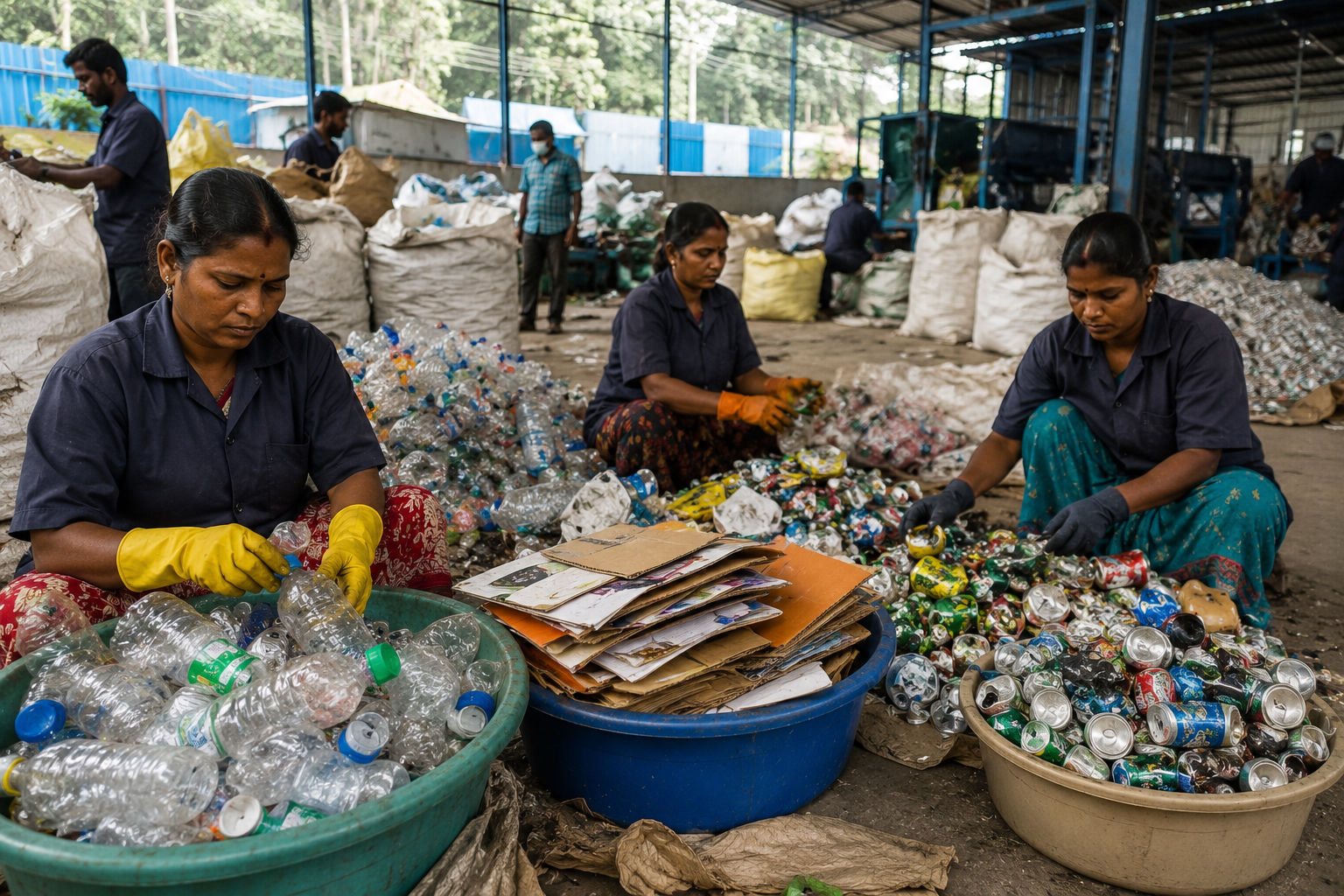
Dry waste segregation and income opportunities
DRY WASTE
02
ECONOMIC OPPORTUNITY

From Dry Waste to Income Sources

Recoverable dry materials can be segregated and directed towards recycling and recovery, creating opportunities for income and livelihood.

♻️
Dry Waste
→
📦
Segregation
→
💼
Income Sources
♻
THE CORE IDEA

“From wet waste, organic fertilizers; from dry waste, income sources.”

This philosophy became an important foundation of the Jana Chaitanya approach — connecting responsible waste management with agriculture, livelihoods and environmental protection.

🌱
SUPPORT AGRICULTURE Organic resources from wet waste
💼
CREATE OPPORTUNITIES Value and income from dry waste
🌍
PROTECT THE ENVIRONMENT Responsible handling of waste
OUR IDENTITY • OUR PHILOSOPHY

Jana Chaitanya Exnora Society

Creating awareness, encouraging responsible cleanliness practices and showing how waste can become an opportunity for people, agriculture and the environment.

♻
WHAT WE STAND FOR

Creating Awareness. Promoting Cleanliness. Creating Opportunities.

“Jana Chaitanya Exnora Society” represents an approach focused on creating awareness among people and promoting excellent road-cleaning ideas.

The approach also communicates that waste can provide employment opportunities. Through these opportunities, communities can work towards protecting their surroundings while also contributing to the development of agriculture.

01
👥
PEOPLE

Creating Awareness

Creating awareness among people is an important part of building responsible waste-management practices.

02
🧹
CLEANLINESS

Cleaner Roads

Promoting excellent road-cleaning ideas and encouraging cleaner surroundings through responsible action.

03
💼
OPPORTUNITY

Employment Through Waste

Demonstrating that waste can contain opportunities for employment and livelihood development.

04
🌱
ENVIRONMENT & AGRICULTURE

Protect & Develop

Connecting waste management with protecting our surroundings and supporting the development of agriculture.

👥
AWARENESS Inform people
→
🧹
CLEANLINESS Cleaner surroundings
→
💼
EMPLOYMENT Create opportunities
→
🌱
AGRICULTURE Support development
THE JANA CHAITANYA APPROACH

“Waste can become an opportunity — for cleaner surroundings, employment and agriculture.”

FROM TRAINING TO IMPLEMENTATION

Learning Became Practical Action

The knowledge gained through training was strengthened through continued guidance and gradually transformed into practical skills for waste-management implementation.
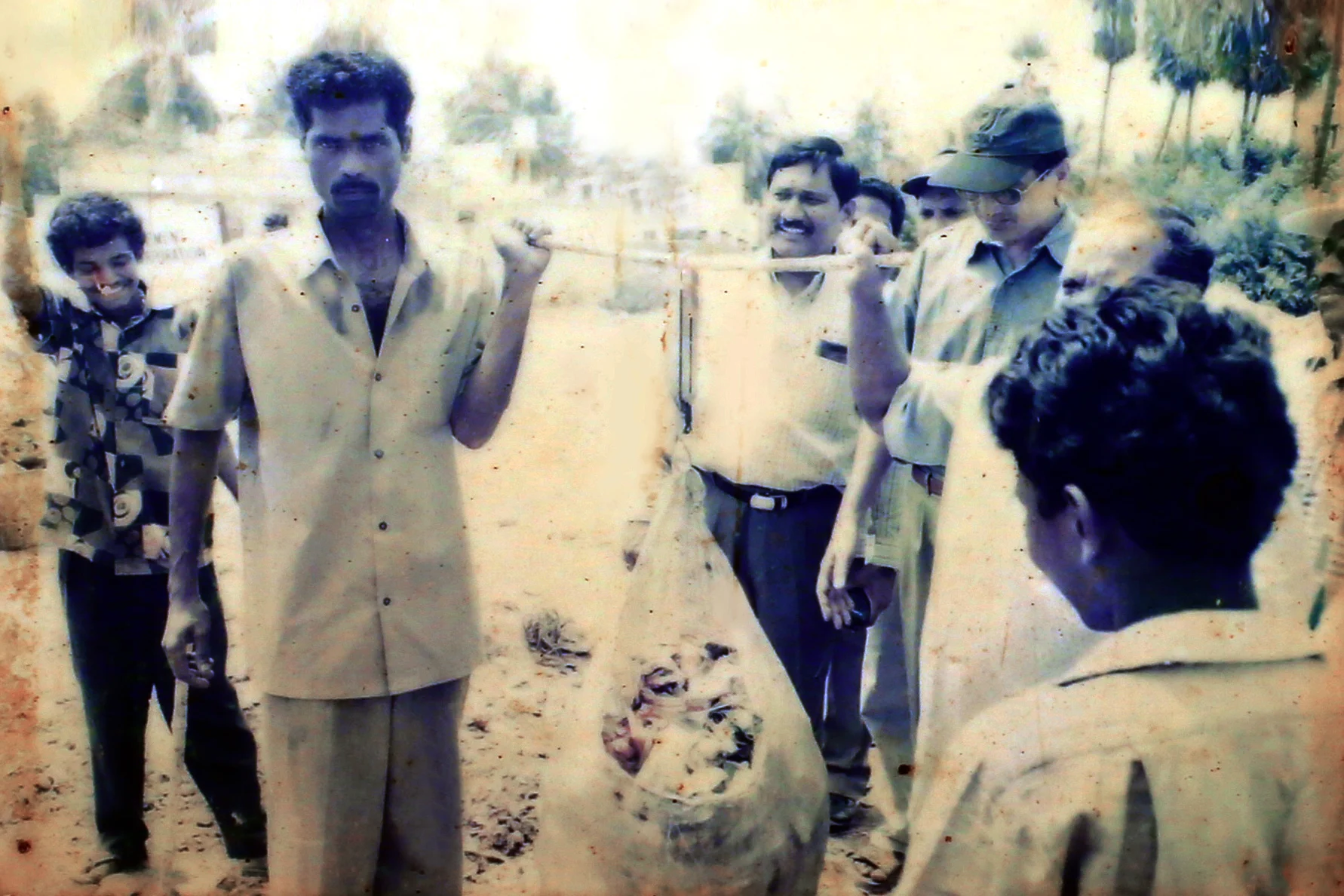
Historical waste management training and field activity of Jana Chaitanya
HISTORICAL JOURNEY Training & Practical Experience

Building the Skills to Put Ideas Into Practice

During the final six months of training, the society received ₹1,500 per month along with consultant fees from Mr. Suresh Bhandari.

The training and guidance helped strengthen the practical knowledge and skills required to move forward with the waste-management approach.

After the training, these acquired skills were put into practice, marking an important transition from learning to implementation.

₹
TRAINING SUPPORT ₹1,500 Per Month Along with consultant fees from Mr. Suresh Bhandari
SUPPORTING THE JOURNEY

Training. Guidance. Skill Development.

01
📚
KNOWLEDGE

Training

Practical training provided the foundation for understanding and developing waste-management skills.

02
🤝
SUPPORT

Guidance

Guidance and consultancy from Mr. Suresh Bhandari supported the development of practical knowledge.

03
🛠
DEVELOPMENT

Skills

The learning process helped develop skills that could be taken from training into practical implementation.

04
♻️
ACTION

Implementation

The acquired knowledge and skills were eventually put into practice in the field.

01
TRAINING Learn
→
02
GUIDANCE Develop
→
03
SKILLS Prepare
→
04
ACTION Implement
→
THE TURNING POINT

From learning to implementation.

The training period became an important bridge between knowledge and the practical work that followed.

OUR EARLY FIELD OPERATIONS

From Training to the Field

After the training and skill development, the acquired knowledge was put into practice through the first field operations of Jana Chaitanya.
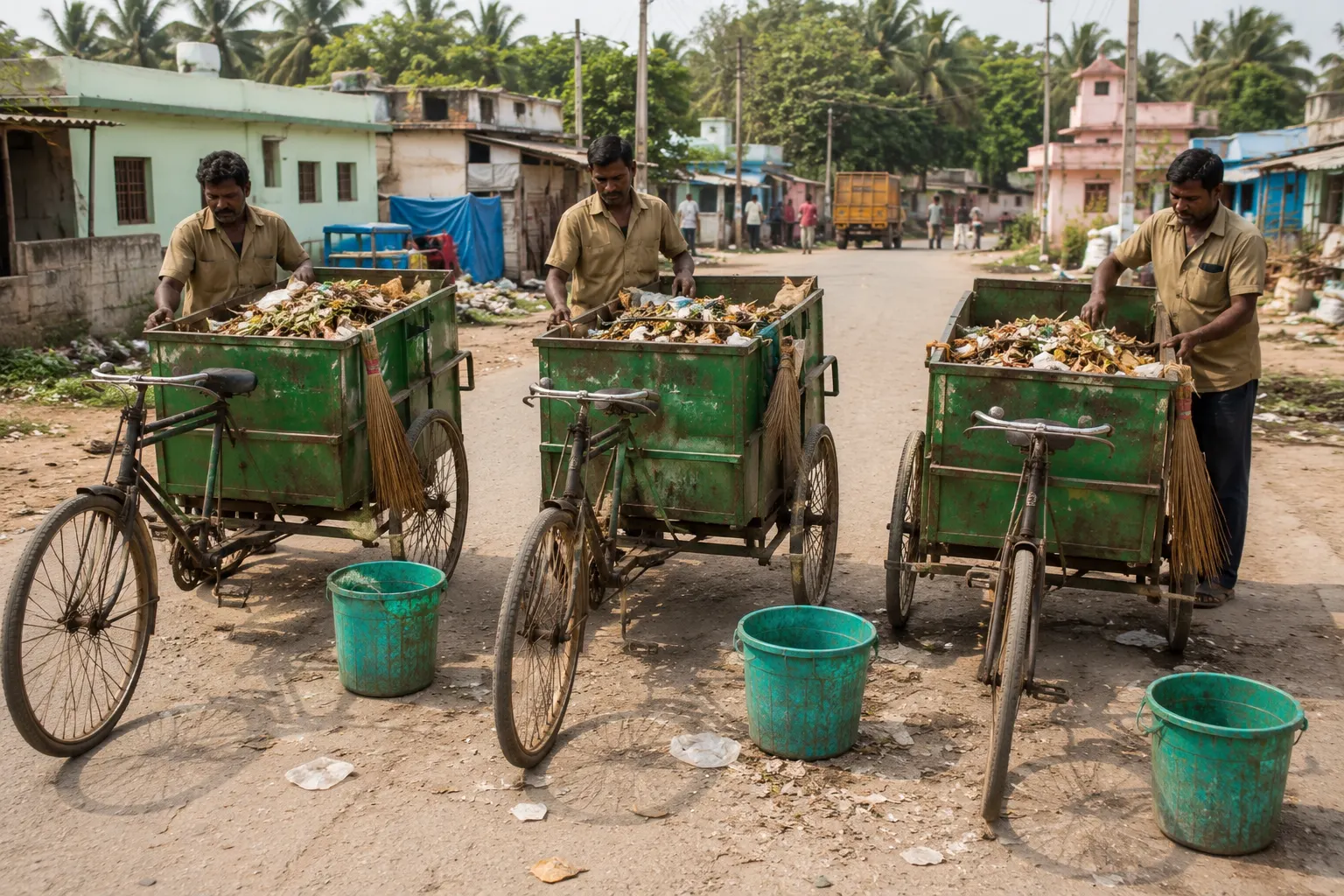
Three waste collection rickshaws used during early field operations
FIRST FIELD IMPLEMENTATION Starting With 3 Rickshaws

Putting Acquired Skills Into Practice

After the training, the knowledge and skills acquired through the learning process were put into practice.

The field implementation began with 3 rickshaws, marking an important step in taking the waste-management approach from training into real-world operations.

03
INITIAL FIELD EQUIPMENT Rickshaws
EARLY OPERATING AREAS

The First Field Operations

The initial rickshaw-based operations served different convoy areas, providing the foundation for practical waste-management work.

01
🚛
EARLY OPERATION

PNT Convoys

One of the convoy areas served during the early field implementation of the waste-management work.

02
🏥
EARLY OPERATION

Doctors Convoys

The early operations also extended to Doctors Convoys as part of the initial field implementation.

03
🏘
EARLY OPERATION

APSB Convoys

APSB Convoys were also included among the areas served during the society's early field operations.

📚
TRAINING Knowledge gained
→
🛠
SKILLS Practical ability
→
🚲
3 RICKSHAWS First implementation
→
♻️
FIELD OPERATIONS PNT • Doctors • APSB
03
THE FIRST STEP

Three rickshaws became the beginning of practical field implementation.

OUR APPROACH TODAY

Turning Awareness Into Action

The approach that began with a simple idea continues to focus on responsible waste management, cleaner surroundings, employment opportunities and environmental development.
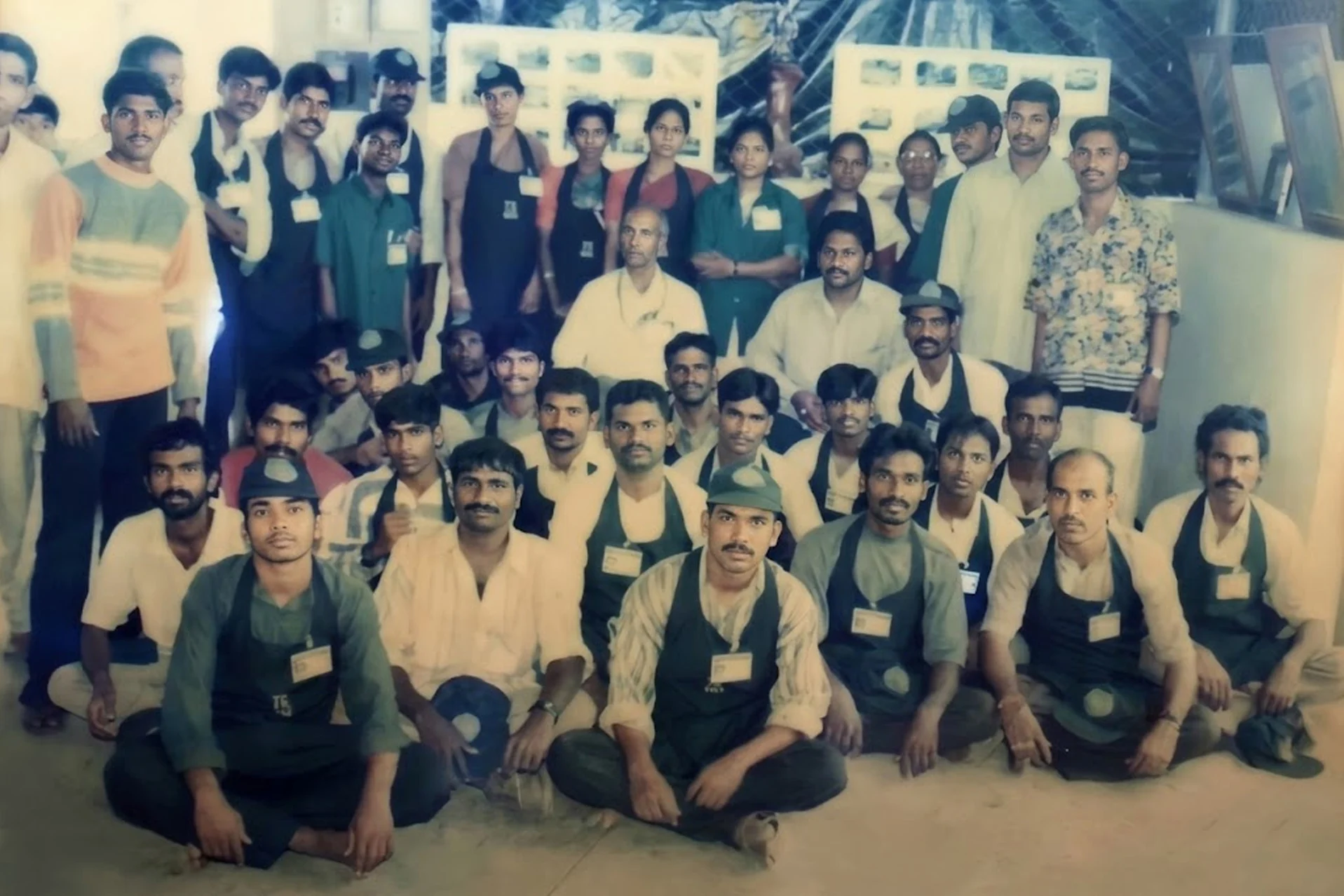
Community awareness and responsible waste management
FROM AWARENESS To Responsible Action

Waste Management With People at the Centre

Jana Chaitanya's approach places people and communities at the centre of responsible waste management.

Creating awareness, promoting cleanliness and demonstrating the opportunities within waste remain important parts of this approach.

By connecting responsible waste practices with employment, environmental protection and agriculture, waste can be viewed not only as a problem, but also as a resource capable of creating value.

👥
01
PEOPLE

Awareness

Encouraging people to understand the importance of responsible waste management and their role in creating cleaner surroundings.

🧹
02
SURROUNDINGS

Cleanliness

Promoting responsible cleanliness practices and encouraging cleaner roads and healthier surroundings.

💼
03
OPPORTUNITY

Employment

Highlighting how waste can create opportunities for income and livelihood through responsible recovery and resource management.

🌱
04
ENVIRONMENT

Agriculture

Connecting organic waste resources with agriculture while keeping environmental protection at the heart of the approach.

THE RESOURCE APPROACH

See Waste Differently.

🍃
WET WASTE Organic resources
→
♻️
DRY WASTE Recoverable materials
→
💡
VALUE Opportunities
♻
OUR APPROACH

Cleaner surroundings. Better opportunities. A more responsible future.

OUR JOURNEY CONTINUES

A Cleaner Community Starts With One Responsible Action

Segregate your waste. Recover its value. Protect your surroundings. Support a sustainable future.

Jana Chaitanya Exnora Society
From Waste to Wealth. From Awareness to Action.

Share with